Understanding the psychology behind risk-taking in casino environments
The Allure of Gambling
The world of casinos is designed to captivate and entice players. Bright lights, lively sounds, and the thrill of potential winnings create an atmosphere that appeals to the senses. This environment stimulates excitement, leading individuals to engage in risk-taking behaviors. The unique blend of anticipation and the possibility of rewards plays a significant role in drawing people into the gaming experience. For those curious about reliable platforms, https://gamingamerica.com/canada/online-casinos is an excellent resource for discovering top-rated online options.
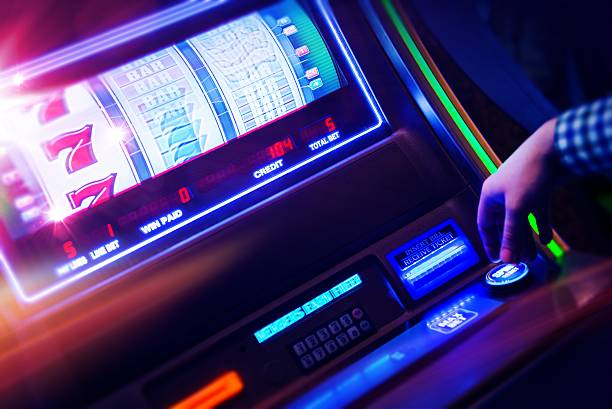
Moreover, the concept of luck versus skill is central to the gambling experience. Many players believe they possess the ability to influence outcomes, whether through strategy in games like poker or sheer chance in slot machines. This belief can lead to overconfidence, prompting more frequent risk-taking as individuals chase wins, often disregarding the odds against them.
Psychological Drivers of Risk-Taking
Several psychological factors influence why individuals are drawn to take risks in casino settings. One major driver is the sensation-seeking personality trait, where individuals crave stimulating experiences. Casinos offer a high-adrenaline environment that caters to these seekers, encouraging them to push their limits in pursuit of excitement.
Another factor is the role of social proof; seeing others win can create a bandwagon effect. This phenomenon reinforces the idea that taking risks is rewarded, making players more inclined to gamble even when they might otherwise exercise caution. The perception of a shared experience can diminish personal accountability, further incentivizing risk-taking behavior.
The Impact of Cognitive Biases
Cognitive biases play a significant role in how players perceive risk and reward in casino environments. One common bias is the illusion of control, where players believe they can influence outcomes based on past experiences. For instance, a gambler may recall a previous win and interpret it as a sign of skill, leading to further bets despite the inherent randomness of games.
The gambler’s fallacy is another cognitive bias that affects decision-making. Players may incorrectly assume that a losing streak will be followed by a win, encouraging them to continue gambling in hopes of a turnaround. These biases cloud judgment, making it challenging for individuals to make rational decisions when wagering their money.
The Role of Emotions in Gambling
Emotions significantly influence risk-taking behavior in casinos. The excitement of a potential win can trigger a rush of dopamine, creating a pleasurable feeling that reinforces gambling behavior. This biochemical response can lead to a cycle of repeated gambling, as individuals seek to replicate the initial thrill of winning.
Conversely, negative emotions can also drive players to gamble. Stress, anxiety, or sadness might lead individuals to seek escape through gambling, reinforcing a pattern of risk-taking as they attempt to cope with their feelings. Understanding the emotional triggers can help players recognize when their decision to gamble is driven by mood rather than rational thought.

Finding the Right Balance in Gaming
For those interested in exploring the world of online casinos, understanding the psychological aspects of risk-taking is crucial. It’s essential to approach gambling with a balanced perspective, recognizing both the allure and the potential pitfalls. Responsible gambling practices can help mitigate the risks associated with this engaging pastime.
Our website offers extensive insights into the best online casinos, focusing on safety and fairness. We provide information to help players make informed decisions, ensuring that your gaming experience is enjoyable and responsible. Whether you’re looking for reliable reviews or the latest promotions, our platform equips you with the tools needed for a safe and thrilling adventure in online gaming.